ทำไมจึงควรชะลอจังหวะที่สวนหลวง
เมื่อมาถึงสวนหลวง คุณได้เดินผ่านลานใหญ่ห้าแห่ง พระตำหนักหลักหกหลัง และทางหินประมาณหนึ่งกิโลเมตรไปทางทิศเหนือ นักท่องเที่ยวส่วนใหญ่มาถึงตรงนี้ด้วยความตื่นกับขนาดของสิ่งก่อนหน้านี้เล็กน้อย สวนคือยาแก้ — การจัดวางศาลา ทางเดิน และต้นไม้เก่าแบบกระชับ เป็นกันเอง และซับซ้อนโดยตั้งใจ ที่ราชวงศ์ใช้เป็นที่หลบส่วนพระองค์ถึงเกือบห้าศตวรรษ
ถ้าต้องตัดบางส่วนของการเยี่ยมชม อย่าตัดที่นี่ มันเป็นพื้นที่เดียวในพระราชวังต้องห้ามที่กระตุ้นให้เดินเล่นแทนการเดินสาย และเป็นที่ที่จังหวะของสถาปัตยกรรมในที่สุดก็ผ่อนลง
ข้อเท็จจริงสำคัญ
| ชื่อจีน | 御花园 (Yùhuāyuán) |
|---|---|
| พื้นที่ | ~12,000 ตร.ม. (130 ม. ตะวันออก-ตะวันตก × 90 ม. เหนือ-ใต้) |
| สร้าง | 1417 (รัชสมัยหย่งเล่อ) ขยายในรัชสมัยเฉียนหลง |
| จำนวนสิ่งก่อสร้าง | ~20 ศาลา พระตำหนัก ระเบียง และประตู |
| ต้นไม้ | ราว 160 ต้น หลายต้นเป็นไซเปรสโบราณอายุ 300–500 ปี |
| ตำแหน่ง | ภายในประตูคุนหนิงเหมินทันที ปลายเหนือของแกนกลาง |
| ทางออก | เสินอู่เหมินออกจากด้านเหนือของสวนทันที |
ตรรกะของสวน — ทำไมไม่มีอะไรสมมาตร
ไม่เหมือนลานนอกที่ทุกอาคารสะท้อนซ้าย-ขวาผ่านแกนกลางอย่างเข้มงวด สวนหลวงถูกออกแบบให้ "ค้นพบ" ศาลามุมทั้งสี่วางในระยะที่ต่างจากแกนเล็กน้อย ทางเดินคดเคี้ยว หินภูเขาตัดเส้นสายตา ต้นไม้โน้มข้ามทาง นักออกแบบสมัยหมิงยืมมาจากสวนนักปราชญ์ของซูโจว ซึ่งกฎข้อหนึ่งคือไม่ควรเห็นสวนทั้งหมดจากจุดเดียว
ผลคือ 12,000 ตร.ม. รู้สึกใหญ่กว่าจริงมาก เดินช้า ๆ จะพบมุมใหม่ทุก ๆ ไม่กี่เมตร
สิ่งที่ควรดูจริง ๆ
ฉินอันเตี้ยน — พระตำหนักสันติของจักรพรรดิ
อาคารกลาง ใช้สำหรับพิธีเต๋าป้องกันไฟ (ศัตรูถาวรของพระราชวังต้องห้าม) ด้านในมีแท่นบูชากระเบื้องดำ — แปลกในพื้นที่ที่เต็มไปด้วยหลังคาเหลือง รอบ ๆ มีกำแพงสองชั้นเป็นเอกลักษณ์เดียวในเขตพิพิธภัณฑ์
ศาลาพันฤดูใบไม้ร่วงและศาลาหมื่นฤดูใบไม้ผลิ
ศาลาเล็กแฝดสองหลังในครึ่งตะวันออกและตะวันตกของสวน หลังคาซับซ้อนเป็นพิเศษ — ฐานกลม วงนอกสี่เหลี่ยม ชายคาแปดเหลี่ยม — สารานุกรมเล็ก ๆ ของหลังคาจีนในอาคารเดียว ถ่ายภาพคู่กับยอดต้นไซเปรส
ต้นไซเปรสโบราณ
คนถ่ายภาพมากที่สุดคือ "ต้นไม้คู่" — ลำต้นแฝดที่หลอมรวมที่โคน ปลูกในต้นสมัยหมิง คดเป็นซุ้มหลังจากผ่านลมแรงกว่า 500 ปี พิพิธภัณฑ์พระราชวังติดป้ายโลหะที่ต้นเก่าที่สุด สัมผัสได้ ปีนไม่ได้
โมเสกกรวด
มองพื้น ทางเดินในสวนทำจากกรวดสีพันก้อนเรียงเป็นภาพ — คน สัตว์ ภูมิทัศน์ มีกว่า 900 ภาพแยกในระบบทางเดิน พลาดได้ง่ายเพราะทุกคนมองขึ้น
ตุยซิ่วซาน — เนินแห่งความเลิศที่สั่งสมไว้
หินภูเขาเทียมที่มุมตะวันออกเฉียงเหนือ สร้างจากหินทะเลสาบไถ ในวันที่เก้าของเดือนเก้าทางจันทรคติ จักรพรรดิทรงปีนเพื่อ "เทศกาลเก้าซ้อน" วันนี้ห้ามปีน แต่โครงสร้างยังครบถ้วน สังเกตขั้นที่ถากอย่างประณีตและศาลาที่ยอด
ใช้เวลาเท่าไหร่
- เดินผ่าน: 10 นาที
- การเยี่ยมชมมาตรฐาน: 20–30 นาที
- ถ่ายภาพหรือเที่ยวช้า ๆ: 45 นาที – 1 ชั่วโมง
ถ้าสายและต้องทันรถไฟสุดท้าย สวนเป็นส่วนที่ย่อง่ายที่สุด — เดินตรงไปเสินอู่เหมิน
เวลาและฤดูที่ดีที่สุด
- เวลา: บ่ายแก่ ๆ (15.00–16.00 ในไฮซีซัน) กลุ่มผ่านไปแล้ว แสงอบอุ่น ไซเปรสทอดเงายาว
- ฤดูใบไม้ผลิ: ดอกแมกโนเลียบานในลานกลาง เมษายนเป็นช่วงพีค
- ฤดูใบไม้ร่วง: ต้นแปะก๊วยในสวนจิ่งซานหลังเสินอู่เหมินกลายเป็นสีทอง กรอบภาพออก
- ฤดูหนาว: หิมะบนหลังคาศาลาคือรางวัลของช่างภาพ
เคล็ดบรรณาธิการ — ม้านั่งหินไม่มีป้าย
ที่มุมตะวันตกเฉียงเหนือ ชิดกำแพง มีม้านั่งหินหันหน้าหาศาลาหมื่นฤดูใบไม้ผลิผ่านยอดไซเปรส นั่งห้านาที — จุดที่เงียบสุดของพิพิธภัณฑ์พระราชวังทั้งหมด
หกศตวรรษที่บีบอัด
สวนนี้วางผังในปี 1417 รัชสมัยจักรพรรดิหย่งเล่อพร้อมกับส่วนที่เหลือของพระราชวังต้องห้าม จักรพรรดิเฉียนหลง (ครองราชย์ 1735–1796) ขยายโครงสร้างหลายแห่งและเพิ่มกำแพงนอกของฉินอันเตี้ยน พระพันปีซูสีไทเฮาเสด็จเดินที่นี่ทุกวันในปลายศตวรรษที่ 19 — ภาพถ่ายยุคชิงหลายภาพแสดงพระองค์ยืนหน้าต้นไซเปรสคู่กับข้าราชบริพาร
จักรพรรดิทรงใช้สวนเพื่อ:
- การพักผ่อนประจำวัน โดยเฉพาะฤดูร้อนที่ลานร้อนเกินไป
- พิธีน้ำชากับสนมและพระบรมวงศ์
- ปีนตุยซิ่วซานในเทศกาลเก้าซ้อน
- การอ่าน — ห้องสมุดเล็ก ๆ และศาลาศึกษาฝังอยู่ในผัง
วิธีจัดเข้าตารางวัน
สวนตั้งเป็นจุดสุดท้ายของแกนกลางอย่างเป็นธรรมชาติ เส้นทางมาตรฐาน:
- เข้าทางอู่เหมิน
- เดินผ่านพระตำหนักนอกสามหลัง (ไท่เหอ จงเหอ เป่าเหอ)
- เข้าลานใน — พระตำหนักอีกสามหลัง (เฉียนชิงกง เจียวไทเตี้ยน คุนหนิงกง)
- ผ่านประตูคุนหนิงเหมินเข้าสวน
- อยู่ 20–45 นาที
- ออกทางเสินอู่เหมินทิศเหนือ
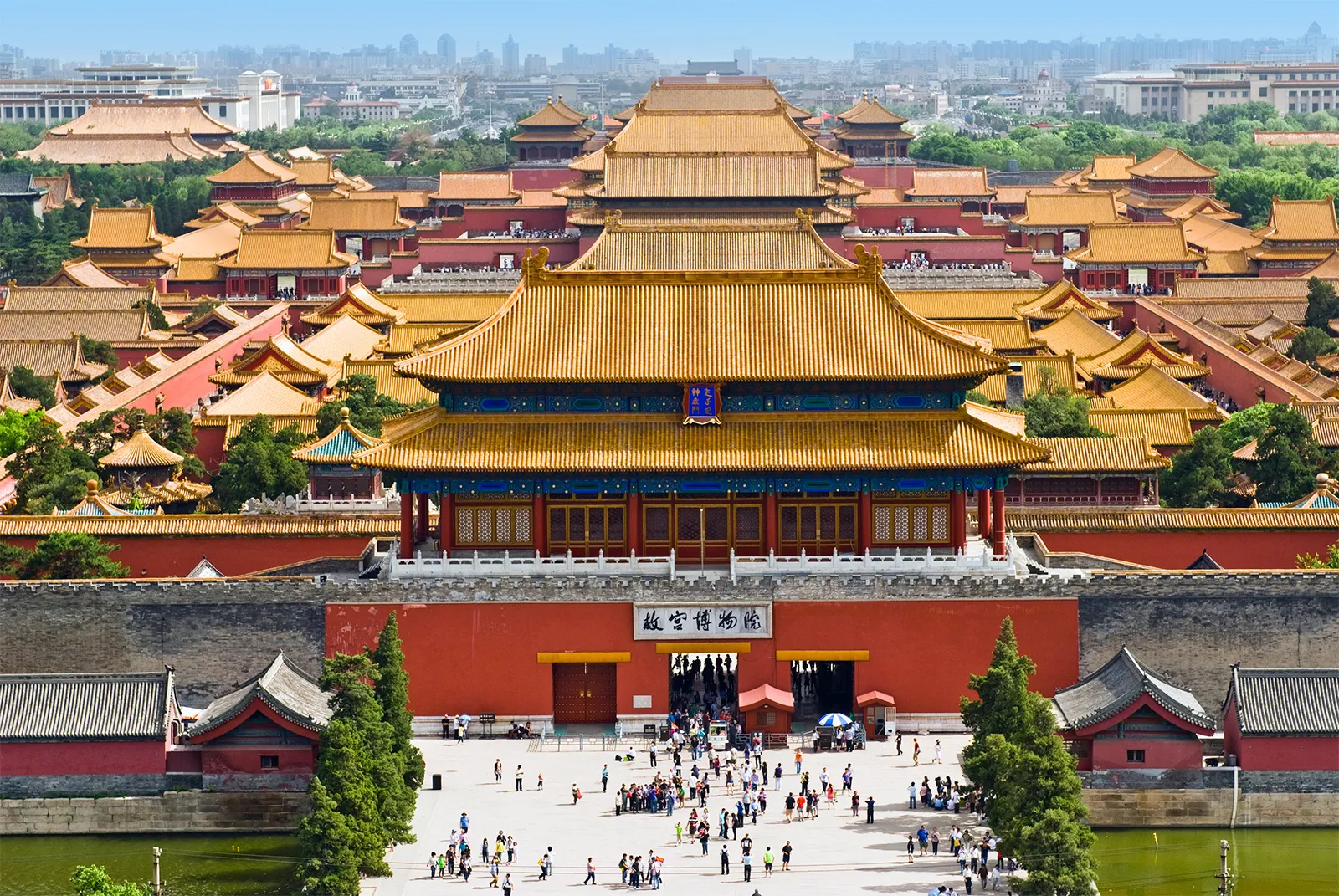
- ทางเลือก: ข้ามไปสวนจิ่งซานเพื่อภาพพาโนรามา
หมายเหตุการใช้งาน
- ห้องน้ำ — บล็อกสะอาด มักว่าง อยู่ที่ขอบสวนทิศตะวันออก
- น้ำ — ตู้กดก่อนทางเข้าสวน
- การถ่ายภาพ — อนุญาตทั่วไป ห้ามใช้โดรนเด็ดขาด
- การเข้าถึง — ทางสำหรับรถเข็นครอบคลุมพื้นที่ส่วนใหญ่ หินภูเขาและศาลายกสูงต้องใช้บันได
- ที่นั่ง — ม้านั่งหินจำกัด ถ้านั่งนาน เตรียมเบาะพับ
คำถามที่พบบ่อย — สวนหลวง
ต้องมีตั๋วแยกสำหรับสวนหลวงไหม?
ไม่ต้อง รวมในตั๋วมาตรฐานของพระราชวังต้องห้าม
ทำปิคนิคได้ไหม?
ไม่ได้ กินได้เฉพาะในคาเฟ่ที่กำหนดในเขตวัง
ต้นไซเปรสมีอายุ 500 ปีจริงไหม?
จริง — หลายต้นมีบันทึกตั้งแต่ต้นสมัยหมิง ต้นเก่าที่ได้รับการคุ้มครองอย่างเป็นทางการมีป้าย
ออกแล้วกลับเข้าได้ไหม?
ไม่ได้ — ตั๋วใช้ครั้งเดียว
เหมาะสำหรับเด็กไหม?
เหมาะ — เป็นส่วนเดียวของการเยี่ยมชมที่เด็กเดินทางเดินอย่างอิสระได้